
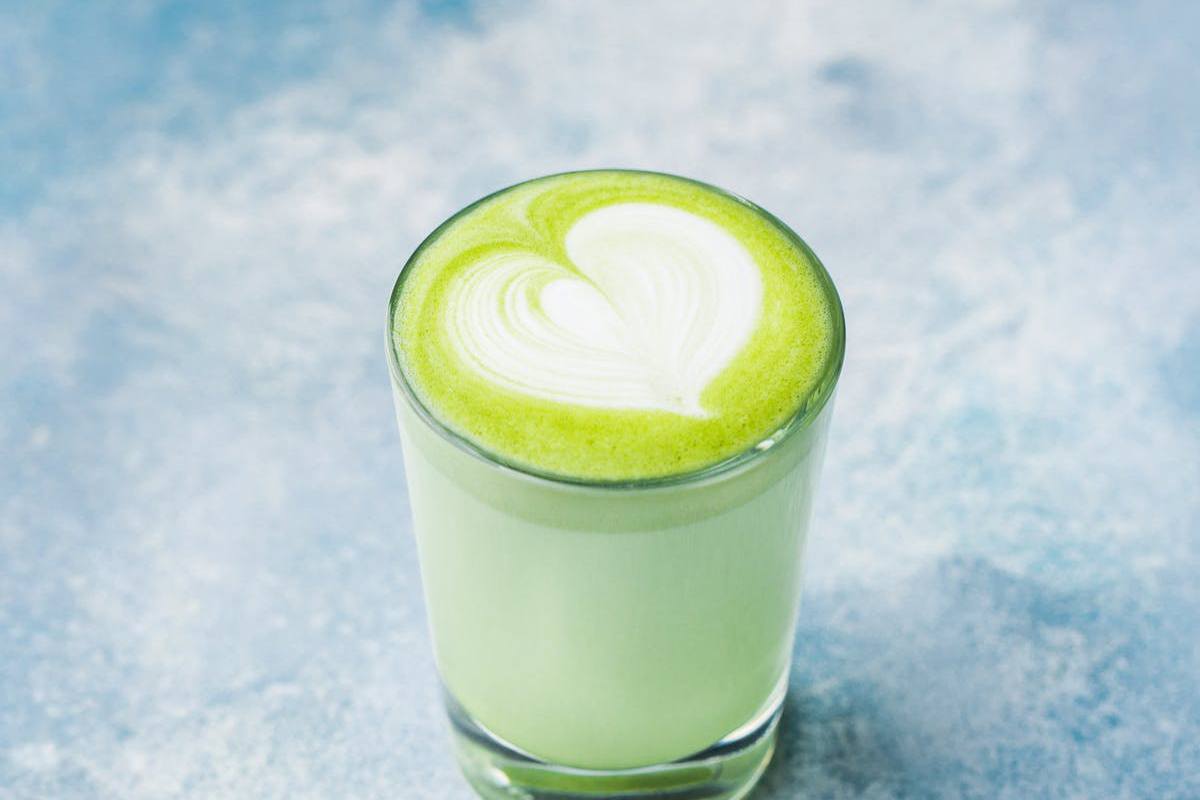
Is Matcha Healthy? Here’s What You Need to Know
Matcha has taken the wellness world by storm. From lattes and smoothies to desserts and skincare, this vibrant green powder is everywhere. But is matcha truly healthy, or is it just another trend?
Let’s break it down.
🍵 What Is Matcha?
Matcha is a finely ground powder made from specially grown green tea leaves. Unlike regular green tea—where you steep the leaves and toss them—matcha involves consuming the entire leaf, making it more concentrated in nutrients.
It’s been a staple in Japanese tea ceremonies for centuries, but today, people across the globe are sipping it for its supposed health benefits.
✅ 5 Science-Backed Reasons Why Matcha Is Healthy
1. Packed with Antioxidants
Matcha is rich in catechins, a type of antioxidant that fights free radicals in the body. One specific catechin, EGCG (epigallocatechin gallate), is known for its cancer-fighting and anti-inflammatory properties.
Studies suggest matcha has up to 137 times more EGCG than regular green tea.
2. Boosts Brain Function
Thanks to a mix of caffeine and L-theanine, matcha can help increase alertness and concentration—without the jitters or crash that often come with coffee. L-theanine promotes calmness and improved focus, making matcha great for work, studying, or creative tasks.
3. Supports Heart Health
Matcha may help lower LDL (“bad”) cholesterol, reduce blood pressure, and improve circulation. These benefits come from the antioxidants and anti-inflammatory effects of green tea compounds.
4. May Aid in Weight Management
Matcha has thermogenic properties—meaning it can help boost your metabolism. Some studies suggest that green tea extract, including matcha, can increase fat oxidation during exercise.
5. Detoxification Power
Because matcha is shade-grown, it has higher levels of chlorophyll, which may help support natural detox processes in the liver and body.
⚠️ When Matcha May Not Be So Healthy
Like all good things, moderation is key. Here are a few things to watch out for:
-
Caffeine Sensitivity: Matcha contains caffeine—about 35 mg per 1 gram (roughly half of a cup of coffee). Too much may cause insomnia, anxiety, or heart palpitations if you’re sensitive.
-
Heavy Metals: Lower-quality matcha, especially from non-reputable sources, may contain lead or contaminants. Always choose organic, ceremonial-grade matcha from Japan for purity.
-
Add-ins and Sugar: Many matcha drinks sold in cafes are loaded with sugar, syrups, and dairy, which can outweigh the health benefits. Opt for homemade versions or ask for unsweetened.
👌 How to Enjoy Matcha the Healthy Way
-
Use ceremonial-grade matcha for drinking. Culinary-grade is fine for baking but may be more bitter.
-
Mix with hot (but not boiling) water to preserve nutrients.
-
Try matcha lattes with almond, oat, or coconut milk—and minimal or no sweetener.
-
Add matcha to smoothies, overnight oats, or energy bites for an antioxidant boost.
🧠 Final Verdict: Yes, Matcha Is Healthy—When Consumed Right
Matcha is more than a trendy drink—it’s a powerful source of antioxidants, brain-boosting compounds, and metabolism-friendly benefits. But like any superfood, its effects depend on how it’s sourced, prepared, and consumed.
So, is matcha healthy? Yes—when it’s high-quality, unsweetened, and part of a balanced lifestyle.

Wpbingo
Lorem ipsum dolor sit amet, consectetur adipiscing elit. Nam fringilla augue nec est tristique auctor. Donec non est at libero vulputate rutrum. Morbi ornare lectus quis justo gravida semper. Nulla tellus mi, vulputate adipiscing cursus eu, suscipit id nulla.
Wpbingo
Lorem ipsum dolor sit amet, consectetur adipiscing elit. Nam fringilla augue nec est tristique auctor. Donec non est at libero vulputate rutrum. Morbi ornare lectus quis justo gravida semper. Nulla tellus mi, vulputate adipiscing cursus eu, suscipit id nulla.